
News
Warehouses aren’t just storage spaces: they’re central to the efficiency and responsiveness of the entire supply chain. Rising consumer expectations, increased e-commerce demand, and complex logistics networks have made warehouse management more challenging than ever. Businesses must balance speed, accuracy, and cost-efficiency while ensuring a safe environment for employees.
Additionally, technological advancements and sustainability initiatives are transforming traditional warehouse operations, creating new opportunities for optimization. Understanding these dynamics is essential for managers who want to stay competitive and ensure their warehouse facility operates at peak performance.
Efficient warehouse management is critical for businesses to maintain smooth operations, minimize costs, and maximize productivity. A well-organized warehouse is a hub of activity that impacts supply chain efficiency, employee safety, and customer satisfaction. However, managing a warehouse effectively is no small feat. It requires a blend of strategic planning, operational discipline, and the adoption of best practices to ensure that goods flow seamlessly from arrival to dispatch. Explore some of the top practices for managing a warehouse to optimize business performance and create a safer, more productive environment.
Optimize Warehouse Layout and Space Utilization
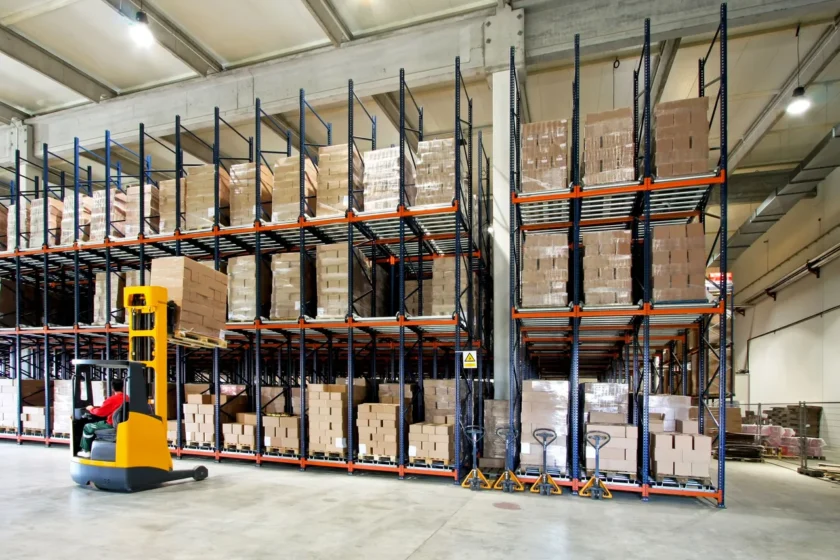
One of the first steps in effective warehouse facility management is designing a layout that maximizes space while maintaining operational efficiency. The layout should facilitate easy movement of employees, forklifts, and inventory, minimizing bottlenecks and reducing the risk of accidents. Common strategies include arranging high-turnover items near shipping areas, clearly marking aisles, and creating dedicated zones for receiving, storage, picking, and packing.
Using vertical space is equally important. Shelving, racks, and mezzanine platforms can dramatically increase storage capacity without expanding the warehouse footprint. However, it’s crucial to balance storage density with accessibility. Overcrowded areas can slow operations and increase the likelihood of workplace injuries. Strategically organizing vertical storage ensures that items remain accessible while maintaining a safe and efficient workflow.
Another key aspect of layout optimization is integrating technology such as automated storage and retrieval systems (AS/RS) or conveyor belts. These systems not only save labor costs but also reduce human error, ensuring that inventory is always easy to locate and move efficiently. Additionally, implementing flexible storage solutions such as adjustable racking can allow the warehouse to adapt to changing product sizes and seasonal fluctuations, helping businesses remain agile in a competitive market.
Implement Effective Inventory Management
A well-managed inventory is the backbone of a productive warehouse facility. Inventory management involves tracking stock levels, organizing products systematically, and reducing excess or obsolete inventory. Implementing a Warehouse Management System (WMS) can significantly enhance inventory control, offering real-time visibility into stock levels, locations, and movement.
Using inventory strategies like ABC analysis—where products are categorized based on their value and turnover—can help managers prioritize high-demand items and reduce storage of low-turnover goods. Periodic cycle counting is another best practice that allows businesses to maintain accurate inventory without disrupting operations. Combining these methods with real-time tracking systems further enhances accuracy and ensures inventory is always ready to meet demand.
Additionally, integrating predictive analytics can help forecast demand trends, enabling proactive restocking and reducing the risk of stockouts. Many warehouses also implement batch tracking and lot number management, especially for perishable or regulated products, to ensure compliance and traceability. An organized inventory system not only prevents financial loss but also improves customer satisfaction by maintaining timely order fulfillment.
Prioritize Safety and Compliance
Safety is a top priority in warehouse management. Warehouses can be high-risk environments due to heavy machinery, forklifts, and stacked inventory. Establishing strict safety protocols is essential to protect employees and reduce liability. Fostering a culture in which every team member values safety ensures consistent adherence to policies and minimizes risks.
Regular safety training sessions, proper signage, and the use of personal protective equipment (PPE) are foundational practices. Warehouses should also implement emergency protocols, including fire evacuation plans and first-aid readiness. Routine safety audits can help identify potential hazards before they become serious issues. Additionally, encouraging employees to report unsafe conditions or near-misses can proactively prevent accidents and strengthen overall workplace safety.
Compliance with regulations is another critical factor. Local and federal laws often dictate standards for workplace safety, hazardous materials storage, and equipment maintenance. Ensuring that your warehouse facility meets these requirements protects your business from legal penalties and enhances employee confidence in their work environment. Encouraging a culture of safety, where employees actively participate in hazard identification and reporting, can lead to a significant reduction in workplace incidents.
Invest in Energy-Efficient Systems
Energy efficiency is an increasingly important consideration in warehouse facility management. Lighting, heating, cooling, and machinery contribute significantly to operating costs. One highly effective strategy is upgrading to LED lighting systems. According to PalliteGroup.com, LED lighting systems can reduce lighting energy use by as much as 75%. This not only lowers utility bills but also minimizes the warehouse’s environmental footprint.
Beyond lighting, warehouse managers should consider energy-efficient HVAC systems, motion-sensor lighting, and renewable energy solutions where feasible. Installing skylights or translucent roof panels can provide natural daylight, reducing the need for artificial lighting during daytime hours. Regular maintenance of machinery and equipment ensures that they operate efficiently, reducing energy waste and prolonging their lifespan.
Investing in energy-efficient systems demonstrates a commitment to sustainability, which can enhance the company’s reputation with clients and partners. These measures often qualify for tax incentives or rebates, providing further financial benefits. Many warehouses have also reported improved employee productivity and morale in well-lit, climate-controlled environments, making energy efficiency a win-win for both cost savings and operational performance.
Leverage Technology and Automation
The modern warehouse is increasingly reliant on technology to maintain efficiency and accuracy. Automation and digital tools allow managers to streamline operations, reduce errors, and save labor costs. Automated guided vehicles (AGVs), robotic picking systems, and conveyor networks can accelerate order fulfillment and reduce manual handling.
Technology also plays a critical role in data-driven decision-making. Inventory tracking systems, barcode scanners, and RFID tags provide real-time insights into stock levels, order status, and workflow efficiency. These insights allow warehouse managers to identify bottlenecks, forecast demand more accurately, and optimize labor allocation.
Integration of technology extends to communication as well. Real-time dashboards and mobile apps enable employees to access critical information instantly, improving coordination and responsiveness. Additionally, predictive maintenance systems can monitor equipment health, alerting managers before breakdowns occur and minimizing costly downtime. By embracing technological innovation, a warehouse facility can operate as a dynamic, highly efficient hub that meets modern business demands.
Warehouse management is a complex but essential aspect of modern business operations. By optimizing layout and space, maintaining accurate inventory, prioritizing safety and compliance, investing in energy-efficient systems, and leveraging technology, businesses can create highly functional, productive, and sustainable warehouse facilities.
Implementing these best practices not only improves operational efficiency but also enhances employee satisfaction, reduces costs, and strengthens overall supply chain performance. A well-managed warehouse becomes a strategic asset, enabling companies to respond quickly to customer demands and market fluctuations.
Businesses that invest in effective warehouse management practices position themselves for long-term success. Smart planning, modern technology, and a focus on sustainability allow a warehouse to operate at peak performance, contributing significantly to the company’s bottom line and overall growth strategy.
Boost your operations with Industrial Logistics Group’s expert solutions. Let us help you optimize every aspect of your warehouse facility for maximum efficiency and safety. Contact us today to transform your space into a streamlined, high-performing hub.